

Why most supply chain costs are created long before they appear in reports
Supply chain performance is often measured through visible metrics such as inventory levels, service performance, transport costs, and supplier pricing. These indicators are important, but they only reflect the outcome of decisions that have already been made. What is rarely examined with the same level of discipline is the quality of the decisions that created those outcomes in the first place.
Poor decision making does not usually present itself clearly or immediately. It does not appear as a single issue that can be isolated and resolved. Instead, it spreads across the supply chain, creating inefficiencies that build over time and are often accepted as normal operating conditions. Understanding where these costs sit, and how they develop, is essential for any organisation that wants to regain control over its supply chain.
Poor decisions rarely look like mistakes
Most supply chain decisions are made with good intent and based on the information available at the time. Forecasts are created to anticipate demand, procurement teams secure supply and negotiate pricing, and planning teams attempt to balance demand with operational constraints. The issue is not effort, it is how those decisions are formed and how well they are aligned across the organisation.
Decisions are often based on incomplete data, outdated assumptions, or perspectives that sit within a single function rather than across the wider supply chain. Each decision may appear reasonable when viewed in isolation, but when combined they begin to introduce misalignment. This misalignment is where the hidden cost begins to take shape.
A forecast that overestimates demand may appear cautious, a large purchase order may seem to secure supply, and an increase in buffer stock may look like a sensible response to uncertainty. Individually, these actions are defensible. Collectively, they create excess, slow moving, and forgotten inventory, tie up working capital, and reduce the organisation’s ability to respond to actual demand.
Inventory is often the first place the cost appears
One of the most visible outcomes of poor decision making is the gradual growth of inventory. When decisions are made without a clear understanding of demand behaviour, supplier constraints, or product lifecycle, inventory levels begin to increase. Safety stocks are raised to protect service levels, minimum order quantities are accepted without challenge, and forecast errors are absorbed rather than addressed.
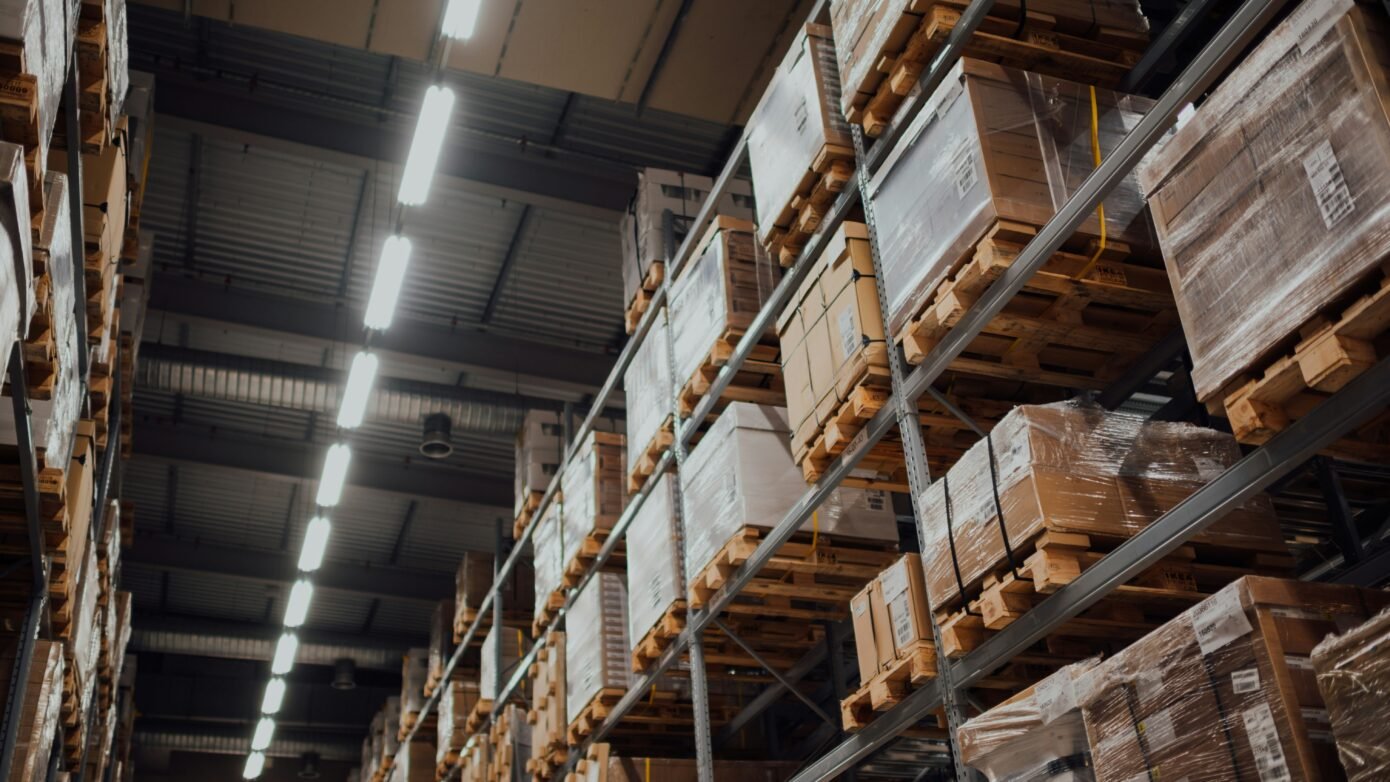
Over time, warehouses begin to hold stock that does not move as expected. This is rarely the result of a single poor decision. It is the accumulation of multiple decisions that were never fully aligned.
The financial impact is significant. Working capital becomes tied up in stock that does not generate value, storage costs increase, and the risk of obsolescence grows. Despite this, these outcomes are often treated as operational issues rather than the direct result of earlier decisions.
Service problems are often created upstream
Service performance issues are frequently attributed to failures in execution, such as warehousing inefficiencies, transport delays, or supplier performance. While these factors do play a role, the underlying causes often sit much earlier in the decision-making process.
If demand signals are inaccurate, replenishment decisions will be misaligned. If supplier lead times are not properly understood, delivery commitments will become unreliable. If planning assumptions are inconsistent, the supply chain will struggle to respond effectively to changes in demand.
Operational teams are then left to manage the consequences. Expedited shipments, emergency purchasing, and constant schedule adjustments become routine. These actions may protect service in the short term, but they introduce additional cost and instability into the system.
Cost increases are rarely linked back to decisions
One of the most difficult aspects of poor decision making is that the resulting costs are rarely traced back to their source. Transport costs increase due to urgent shipments, inventory holding costs rise as stock levels grow, and procurement costs fluctuate as orders are placed reactively rather than strategically.
Each of these costs is typically managed within its own function. Logistics focuses on transport efficiency, procurement focuses on price, planning focuses on availability, and finance tracks overall spend. What is often missing is a clear connection between these costs and the decisions that created them.
Without that connection, organisations focus on managing symptoms rather than addressing root causes. As a result, the same issues continue to reappear, often with increasing impact.
Complexity is often self-inflicted
As problems begin to emerge, organisations often respond by introducing additional controls. More reporting is created, approval processes become more complex, and exception management becomes more frequent. These actions are intended to improve control, but they often add further complexity without resolving the underlying issues.
Teams spend more time managing the system rather than improving it. Decision making slows down, visibility becomes fragmented, and the supply chain becomes harder to control. In many cases, this complexity is not driven by external factors, but by earlier decisions that were never fully aligned.
Better decisions require discipline
Improving supply chain performance is not only about improving execution. It is about improving the way decisions are made. This requires a disciplined approach to data, process alignment, and supplier understanding.
Data must be reliable, consistent, and shared across functions. Decisions cannot be based on assumptions that are not regularly challenged. Planning processes must be aligned so that forecasting, inventory policies, and procurement decisions work together rather than operate independently.
Supplier behaviour must also be considered as part of every decision. Lead times, order quantities, and capacity constraints all influence how the supply chain performs. Decisions that ignore these factors will always introduce risk into the system.
Most importantly, decisions must be evaluated based on their impact across the entire supply chain, not just within a single function.
The real cost is loss of control
The most significant cost of poor decision making is not always financial. It is the gradual loss of control across the supply chain. As misaligned decisions accumulate, the system becomes more reactive and less predictable.
Teams spend more time responding to issues and less time managing performance. Visibility becomes limited, planning becomes less reliable, and confidence in the system begins to decline. At this point, even well-intentioned decisions become harder to execute effectively because the environment they operate within is no longer stable.
Final thought
Poor decision making does not create immediate failure, it creates gradual decline. Costs increase, inventory grows, service becomes less reliable, and complexity builds over time. These outcomes are often accepted as normal, when in reality they are the predictable result of decisions that were never fully aligned.
Organisations that recognise this do not focus only on improving execution. They focus on improving the quality of the decisions that drive the supply chain. When decisions are made with clarity, supported by reliable data, and aligned across functions, the supply chain becomes more stable, more efficient, and easier to control.
The performance and results in your supply chain are the direct result of clear, disciplined decisions made at the beginning.