

Supplier behaviour quietly determines whether planning remains stable, or operations become reactive
Supply chain stability is often discussed in terms of forecasting accuracy, inventory control, or logistics performance. These areas certainly matter, but one of the most influential factors sits earlier in the process. Supplier decisions quietly shape how stable the entire supply chain becomes.
Every purchasing decision introduces a set of behaviours into the system. Lead times, order quantities, delivery reliability, quality performance, and supplier responsiveness all influence how planning and operations function. When these behaviours are predictable and aligned with the organisation’s planning processes, the supply chain operates smoothly. When they are inconsistent or poorly aligned, operational instability begins to appear.
Many organisations underestimate the long-term influence of supplier behaviour. Procurement decisions are often evaluated through price, availability, or short-term commercial benefit. Yet the way suppliers operate day to day has a much greater influence on inventory levels, service reliability, and operational efficiency than the initial purchase price alone. Understanding how supplier decisions shape supply chain stability is therefore essential for organisations that want to maintain control over inventory, service levels, and operational performance.
Supplier behaviour influences planning stability
Supply chain planning depends on predictable inputs. Forecasts estimate demand, inventory policies manage uncertainty, and procurement decisions translate those requirements into supply. When supplier behaviour is stable and predictable, planning processes can operate with confidence.
Reliable suppliers deliver products within expected lead times, maintain consistent quality standards, and communicate clearly when conditions change. These behaviours allow planning teams to maintain realistic forecasts, align replenishment decisions with demand patterns, and keep inventory levels within reasonable limits.
When supplier behaviour becomes inconsistent, planning quickly becomes more difficult. Lead times fluctuate, deliveries arrive late or incomplete, and quality issues disrupt production schedules. Planning teams often respond by increasing inventory buffers in order to protect service levels.
Over time these defensive responses gradually increase inventory levels across the organisation. Warehouses begin to hold more stock than necessary, working capital becomes tied up in slow moving products, and operational teams spend increasing amounts of time managing exceptions rather than maintaining control. In many cases these issues are not caused by forecasting errors or warehouse inefficiencies. They are the direct result of supplier behaviour that introduces instability into the planning process.
The hidden operational cost of weak supplier management
When suppliers perform inconsistently, the rest of the supply chain absorbs the consequences. Late deliveries force production schedules to change unexpectedly. Inventory planners increase safety stock to compensate for unreliable lead times. Emergency purchasing becomes more common as teams attempt to protect service levels. Logistics teams may resort to expedited transport in order to recover from supply delays.
Each of these actions introduces additional cost and operational complexity. The financial impact often extends beyond procurement budgets. Higher inventory levels increase working capital requirements. Emergency shipments raise transport costs. Production interruptions reduce operational efficiency. Customer service teams spend more time resolving delivery issues.
These costs are rarely attributed directly to supplier behaviour, yet they often originate from it. When supplier relationships are not managed with discipline and transparency, operational instability gradually spreads throughout the supply chain.
Supplier performance must be measured consistently
Effective supplier management begins with clear expectations and consistent measurement. Suppliers must understand what performance standards are required and how those standards will be evaluated. A structured supplier scorecard provides a practical way to achieve this.
Supplier scorecards convert supplier behaviour into measurable results that can be reviewed regularly. Instead of relying on informal judgement, organisations evaluate suppliers using defined performance indicators.
Most supplier scorecards focus on four core areas.
Delivery performance
- On Time In Full (OTIF) performance against confirmed delivery dates
- Supplier lead time adherence and variability analysis
- Schedule adherence to agreed production and dispatch plans
- Order fulfilment accuracy at line item and quantity level
- Delivery frequency compliance aligned to replenishment strategy
- Advance shipment notification accuracy and timing consistency
Quality performance
- Incoming defect rate measured in parts per million (PPM)
- Specification compliance and deviation frequency
- First pass acceptance rate at goods receipt inspection
- Corrective and preventive action effectiveness and closure time
- Process capability stability within supplier manufacturing operations
- Return, failure, and root cause trend analysis
Cost stability
- Purchase price adherence to contracted commercial terms
- Total landed cost variance against agreed baseline
- Cost breakdown transparency and validation accuracy
- Exposure to commodity and foreign exchange cost drivers
- Purchase price variance against standard or budgeted cost
- Delivery of agreed cost reduction or value improvement initiatives
Service and responsiveness
- Response time to operational queries and issue escalation
- Speed and effectiveness of issue resolution
- Forecast alignment and demand visibility collaboration
- Flexibility to adjust volumes within agreed tolerance levels
- Communication accuracy across the order lifecycle
- Proactive notification of risks, delays, or constraints
When these indicators are reviewed consistently, supplier performance becomes transparent. Trends become visible over time and emerging issues can be addressed before they begin to disrupt operations. The scorecard also changes the nature of supplier discussions. Conversations move away from opinion or blame and focus instead on measurable performance data, creating a more constructive and controlled supplier relationship.
Minimum order quantities (MOQ) must align with demand reality
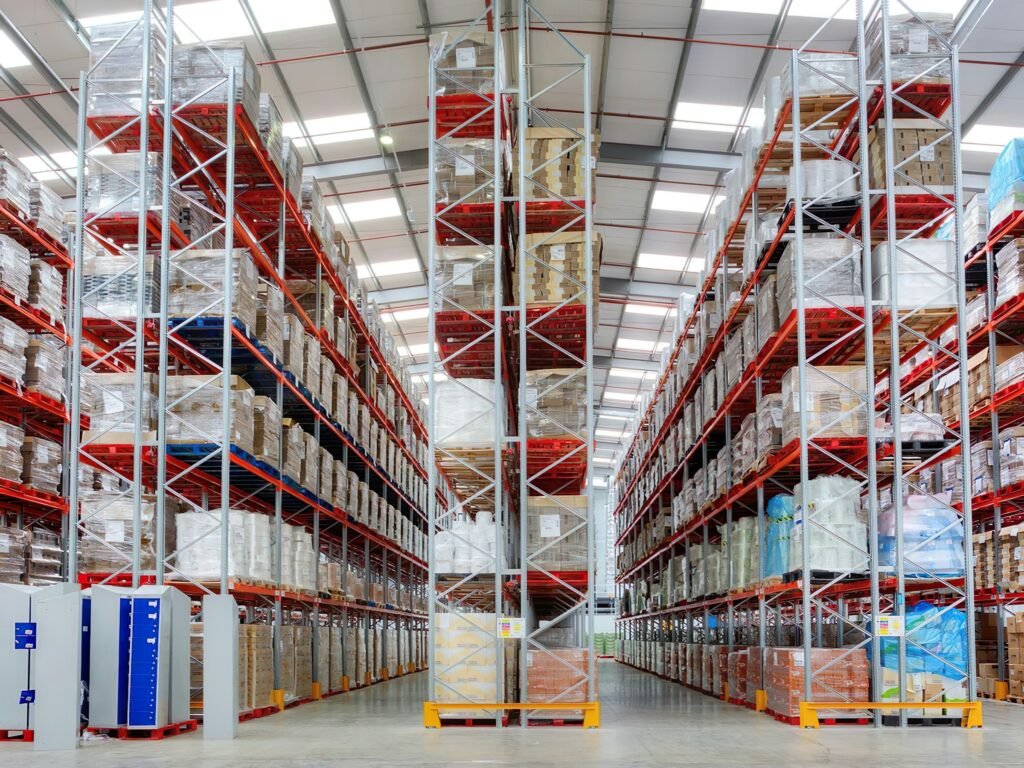
Minimum order quantities are one of the most common ways supplier decisions influence inventory behaviours. Suppliers often define minimum order quantities to support their production efficiency or batch size requirements. While these limits may be reasonable from the supplier’s perspective, they can introduce significant inventory risk if they are not aligned with the buyer’s demand patterns.
Consider a simple example. An organisation expects to sell 650 units of a product during a given period. The supplier requires a minimum order quantity of 1000 units. The additional 350 units immediately represent potential excess inventory.
If demand fluctuates or begins to decline, those additional units may remain in storage for long periods. Over time they may become slow moving or even obsolete. This situation occurs frequently across many supply chains. Procurement teams focus on securing supply and negotiating favourable prices, while the long-term inventory exposure created by large order quantities remains less visible.
Organisations that manage supplier relationships effectively treat minimum order quantities as a joint operational decision rather than a fixed supplier rule. Discussions with suppliers can often identify alternative approaches. Production batches may be adjusted to align more closely with realistic demand levels. Delivery schedules can be split into smaller shipments. In some cases, suppliers may coordinate production runs across multiple customers to maintain efficiency while reducing order size requirements.
These adjustments help align supplier operations with the buyer’s planning environment and significantly reduce the risk of excess, slow moving, and forgotten inventory.
Supplier capacity and capability must be understood
Another important factor influencing supply chain stability is supplier capacity. Suppliers must be capable of supporting both normal demand and the variability that occurs throughout the year. Seasonal peaks, promotional activity, and unexpected demand changes all place additional pressure on supplier operations.
Before committing to a supplier relationship, organisations must confirm that the supplier has sufficient production capacity to support these fluctuations. This includes understanding standard production output, surge capacity, labour availability, machine utilisation, and changeover constraints.
When capacity limitations are not understood in advance, supply disruptions often appear later in the planning cycle. Production orders may be delayed, delivery commitments may be missed, and operational teams must respond by adjusting schedules or sourcing alternative supply. These disruptions are rarely sudden surprises. They are usually the predictable result of supplier capacity constraints that were never fully examined during the sourcing process.
By confirming supplier capability early and maintaining visibility of capacity conditions, organisations reduce the likelihood of unexpected supply disruptions.
Structured supplier governance prevents performance drift
Supplier performance should not only be measured but also reviewed regularly. Different suppliers carry different levels of operational risk. Some provide critical components or long lead time items that directly influence production continuity. Others supply less critical products with minimal operational impact.
The level of supplier oversight should reflect this difference. Critical suppliers often require frequent performance reviews in order to detect potential issues early. Delivery reliability, lead time stability, quality performance, and capacity conditions should be monitored closely. Any performance change should trigger corrective action or deeper investigation.
Suppliers with lower operational risk can be reviewed less frequently but still require consistent oversight to ensure performance remains stable. Structured governance prevents supplier relationships from drifting into informal or reactive behaviour. Performance discussions remain focused on measurable results, and corrective actions are documented and followed through. Over time this discipline creates more reliable supplier behaviour and strengthens the stability of the entire supply chain.
Supplier collaboration strengthens long term performance
Supplier management should not be viewed purely as a control mechanism. The most stable supply chains are built through collaboration between organisations and their key suppliers.
When suppliers are treated as operational partners rather than transactional vendors, communication improves significantly. Demand forecasts can be shared earlier, capacity constraints can be discussed openly, and potential risks can be addressed before they disrupt operations.
Collaborative relationships also create opportunities for improvement on both sides. Suppliers may identify process improvements, packaging adjustments, or logistics efficiencies that benefit the entire supply chain. These improvements rarely emerge from purely transactional purchasing relationships. They develop when both organisations recognise that stable supplier behaviour supports long term success for everyone involved.
Final thought
Supplier decisions influence supply chain stability long before products enter the warehouse. Lead times, order quantities, delivery reliability, and supplier responsiveness all shape how planning process’s function and how much inventory the organisation ultimately carries.
When supplier behaviour is predictable and aligned with demand patterns, the supply chain operates with greater confidence and control. When supplier behaviour is inconsistent or poorly aligned, the effects gradually appear across the organisation. Inventory levels rise, operational complexity increases, and teams spend increasing amounts of time responding to problems that originated earlier in the supply chain.
Organisations that recognise this relationship approach supplier management with greater discipline. Performance is measured through structured scorecards, order quantities are aligned with demand behaviour, and supplier relationships are governed through regular review and transparent communication.
By managing suppliers in this way, organisations strengthen the foundations of their supply chain and create the stability that planning and operations depend upon.